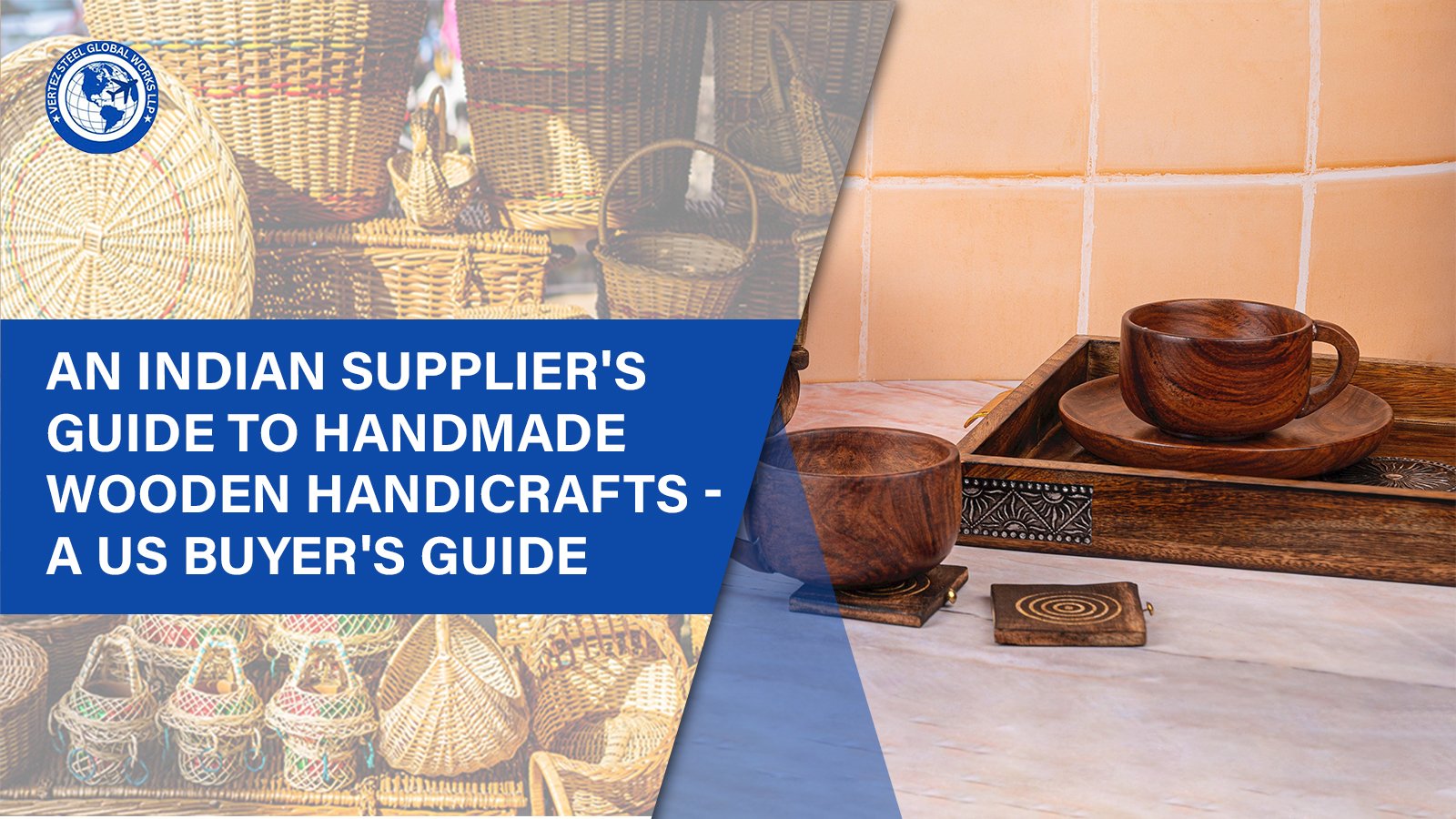
Handmade Wooden Handicrafts: A Complete US Buyer’s Guide
Introduction
US buyers are increasingly seeking authenticity—products with a human touch, a cultural story, and craftsmanship that stands out in a world full of factory-made sameness. That’s exactly why handmade wooden handicrafts from India have become a rising favorite. Whether you’re dealing in wooden craft items wholesale or trying to establish yourself as a trusted wooden craft supplier USA exporters prefer, understanding buyer expectations is the key to long-term success.
Let’s explore the US market, the opportunities, the challenges, and what Indian suppliers must master to win global confidence.
Understanding the US Market for Handcrafted Wooden Products
Why the US Is a Goldmine for Indian Wooden Handicrafts
The US consumer market has shifted dramatically over the last decade. Mass-produced home décor still exists, but the real growth lies in:
- Artisanal and handmade goods
- Eco-friendly and sustainable décor
- Personalized, story-driven craft items
- Rustic, earthy aesthetics
From Etsy sellers to boutique retail chains to big eCommerce platforms, US buyers want items that feel “real.” Handmade wooden goods—trays, bowls, consoles, stands, toys, sculptures—fit this trend perfectly.
What US Importers Expect from Indian Suppliers
Apart from great craftsmanship, US buyers are laser-focused on:
- Product consistency: same size, finish, and grain patterns
- Moisture control and seasoned wood: to prevent cracks during shipping
- Clear labeling and export-ready packaging
- Reliable communication and documentation
These expectations form the backbone of every long-term supplier–buyer relationship.
Common Challenges Indian Exporters Face
Even skilled artisans encounter issues such as:
- Variation in handmade products
- Lack of standardization in finishing
- Delayed production timelines
- Limited understanding of US compliance
Recognizing these challenges early helps suppliers upgrade their processes and position themselves better for global markets.
Why US Buyers Love Indian Wooden Handicrafts
1. Centuries of Craftsmanship
Cities like Saharanpur, Jodhpur, Mysuru, and Kerala have thriving woodcraft traditions. US buyers appreciate not just the finished product but the cultural narrative behind it.
2. Superior Value for Money
India provides exceptional craftsmanship at competitive pricing—something few countries can match at scale.
3. Huge Diversity in Product Range
Indian suppliers offer an impressive array of choices:
- Mango wood bowls
- Hand-carved trays
- Candle stands
- Wooden games
- Festive décor
- Kitchenware
- Jewelry boxes
- Rustic furniture
This broad range makes India a one-stop destination for US importers.
Insights to Help Indian Suppliers Win US Buyers
1. Master Quality Control
A simple QC checklist can help avoid most rejections. US buyers expect:
- Smooth edges
- No splinters
- Uniform finishing
- Clean sanding
- Pest-free kilned wood
2. Provide Documentation Before Being Asked
This builds instant trust. Useful documents include:
- Moisture tests
- Wood treatment reports
- Packaging photos
- Factory walkthrough videos
- Compliance certificates
3. Communicate Clearly and Proactively
US importers value transparency over perfection. Even if there is a delay, telling them early earns respect—and repeat orders.
4. Use Sample Approvals to Avoid Misunderstandings
One approved sample can eliminate hundreds of unnecessary revisions later.
Case Study: How a Small Saharanpur Workshop Became a Preferred US Supplier
A workshop named KraftWood Arts started with just five artisans, producing simple carved coasters and trays. A US boutique retailer discovered them online and requested 200 sets.
The problems began immediately:
- Finishes were uneven
- Packaging wasn’t export-ready
- Moisture control wasn’t monitored
- Communication was slow
The US buyer nearly backed out.
Realizing what was at stake, the workshop owner made bold changes:
- Established a QC checklist for each stage
- Invested in moisture meters and kiln-treated wood
- Sent daily updates and real-time videos of production
- Introduced double-layer export packaging
The next shipment was flawless.
Within eight months, KraftWood Arts scaled from 200 sets to exporting a full container every quarter. The US buyer even flew down to India to sign a long-term sourcing agreement.
Lesson:
Consistency + communication + quality = US market success.
Recent Trends & Industry Statistics
Here are some current insights shaping the handicraft trade:
- Handcrafted décor sales in the US grew by nearly 14% in 2023, driven by eco-conscious buyers.
- Wooden home décor is projected to grow 9–11% annually due to rising interest in natural materials.
- Eco-friendly products saw a 22% year-on-year surge, especially among online shoppers aged 25–45.
- Retailers report that handmade goods outperform machine-made alternatives by up to 3× in perceived value.
These shifts highlight why Indian wooden handicrafts are becoming more relevant than ever.
Interesting Facts About Wooden Handicrafts
- Saharanpur is India’s largest woodcraft hub, employing over 50,000+ artisans.
- US buyers prefer mango wood over teak because it’s sustainable and lightweight.
- Wooden décor sales spike by up to 300% during Christmas and Thanksgiving.
- Over 60% of US buyers prefer goods labeled “handmade” over machine-crafted.
- Mango and acacia wood are among the top-searched materials on eCommerce marketplaces.
Closing Thoughts
The US market is hungry for authenticity—and Indian wooden handicrafts deliver just that. As a supplier, your strength lies in blending traditional artistry with modern reliability. From understanding buyer expectations to mastering quality control and documentation, every small improvement sets you apart in a competitive global landscape.
If you position yourself strategically, communicate clearly, and build trust through consistency, you won’t just attract US buyers—you’ll retain them.
And for Indian suppliers seeking stable, dependable global partnerships, Vertez Steel Global Works stands as an example of how reliability, fast delivery, and quality-focused operations build long-term global trust. Their approach reflects exactly what US buyers hope to find in suppliers of handmade wooden products.
When craftsmanship meets consistency, the world takes notice.