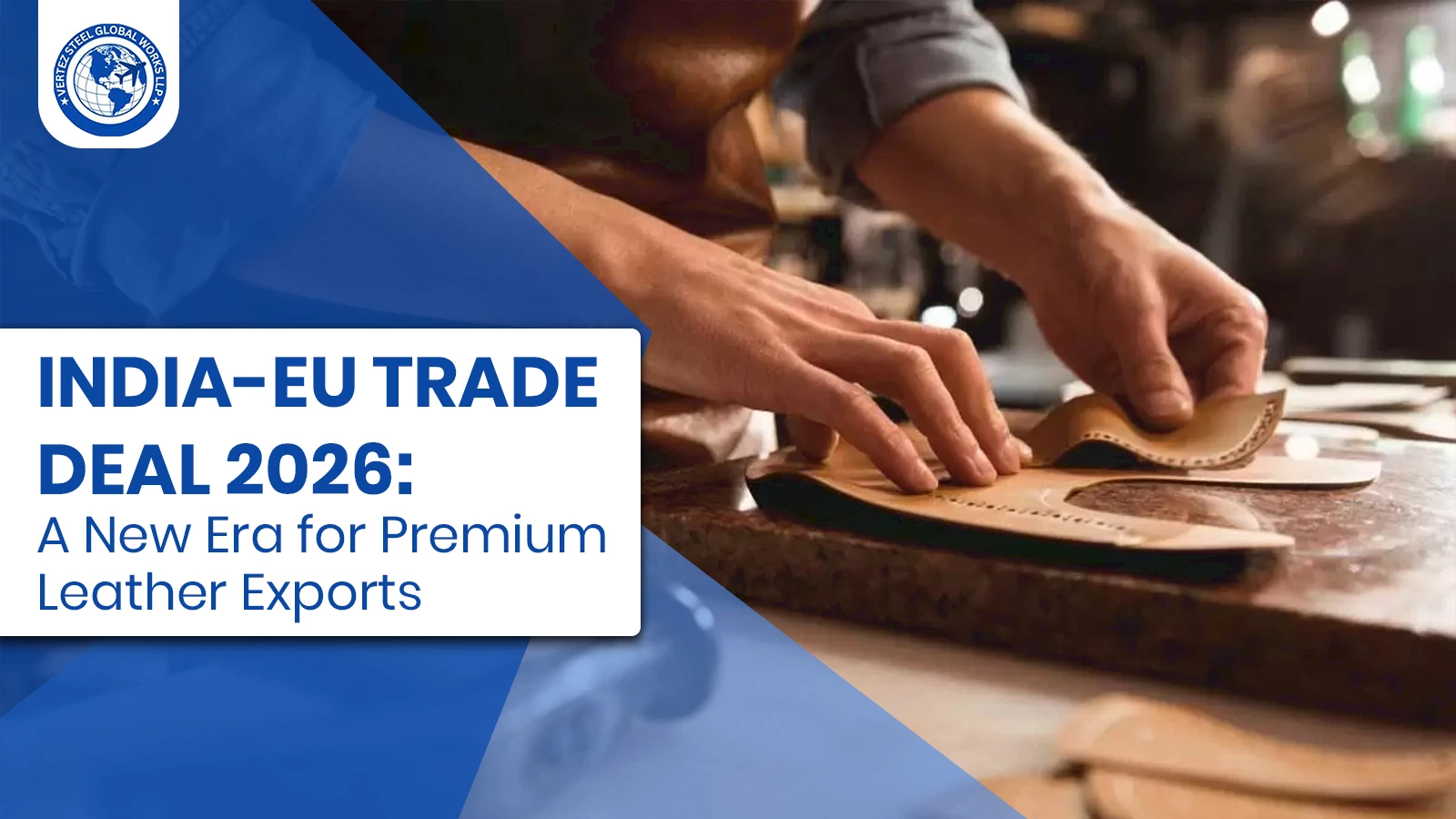
India‑EU Trade Deal 2026: A New Era for Premium Leather Exports
Leather exports from India are set for a major boost after yesterday’s historic India‑EU Free Trade Agreement (FTA), signed after nearly two decades of talks. This landmark trade deal is one of the largest in India’s history, opening exciting opportunities for buyers in the EU market.
If you are considering sourcing India leather exports, this agreement can make your sourcing easier, faster, and more cost-effective. With reduced customs duties, simplified trade terms, and support for bulk leather sourcing, leather export to Europe is now more competitive and attractive for businesses like yours.
In this blog, we’ll explain the FTA’s impact on your business, opportunities for importing premium leather products, and how you can benefit from smoother logistics and risk-free international trade.
What the India‑EU Trade Deal Means for You
The new India‑EU trade deal makes it easier to bring Indian products into Europe by reducing or removing tariffs on many goods. For key labor-intensive sectors like leather, textiles, and footwear, duties that once slowed trade are being cut to zero under this agreement.
For you as a buyer, this means your leather exports sourced from India can enter Europe at a lower cost, helping you offer better prices to your customers or improve your profit margins. With India leather exports gaining easier access to a market worth billions of dollars, European buyers are likely to look more closely at Indian products.
The deal is expected to cover about 97% of trade value between India and the EU and duty‑free access for about 90.7% of Indian exports once it comes into force, as reported by The Financial Express.
Why This Trade Deal Matters for Leather Sourcing
You might be wondering: what does this mean for leather exports specifically?
India’s leather sector has faced higher tariffs in the EU for many years. But under this new FTA, tariffs on leather and footwear products have been removed or lowered significantly, helping Indian exporters compete with other Asian countries like Vietnam and Bangladesh.
As per the Financial Express, Prime Minister Narendra Modi highlighted that the FTA creates a market of 1.9 billion people, accounting for 25% of the world’s economic output and 33% of global trade, a massive opportunity for businesses like yours to expand in Europe and beyond.
If you import India leather exports for your business, whether it’s leather hides, finished goods, accessories, or other products, you can now plan for smoother, cheaper entry into Europe. Better access means you can be confident that your shipments meet European standards without a heavy tariff burden.
How Costs and Logistics Get Better for You
Before this deal, importing leather from India to Europe meant extra costs due to tariffs and longer customs procedures. But the new agreement promises:
- Zero duty on most leather products exported from India once the FTA is implemented.
- Simplified customs and paperwork, cutting down delays and hidden costs.
- Greater confidence in planning your imports, because duty structures have become more predictable.
For buyers like you, this can mean more accurate costing, clearer budgeting, and less risk of surprise charges at the port. That’s a big advantage when negotiating with retailers, distributors, or other partners overseas.
Quality Standards and Market Confidence
Another concern for many importers is whether products meet European expectations. The good news is that India’s leather goods are known for quality and craftsmanship, and the new trade agreement makes it simpler to bring those goods into Europe with minimal friction.
With fewer tariffs and clearer trade rules, you can focus more on product quality and customer satisfaction rather than dealing with complicated tariff codes or long delays. Long‑term contracts and repeat business become easier to secure when your European buyers trust your supply chain.
Opportunities for Bulk Buying and Growth
If your business sources leather products in bulk, the India‑EU trade deal makes this strategy more rewarding. With predictable costs and fewer trade barriers, you can:
- Expand your product range from India’s diverse leather offerings.
- Plan larger orders with confidence about delivery times and costs.
- Work with suppliers who can help manage documentation, packaging, and consolidated shipments, saving you time and effort.
For anyone looking at leather exports to Europe, this new trade agreement makes bulk sourcing not just more possible but potentially more profitable.
What European Buyers Should Know
If you are selling into the European market, the trade deal helps you offer competitive prices without cutting quality. Because tariffs on many Indian leather products are removed, you can compete with products from other regions on price and quality.
This could open doors to new retail partnerships, private label opportunities, and even long‑term supply arrangements. European markets value consistency, and access to high‑quality India leather exports at better price points can help you meet that demand.
Simple Steps to Take Advantage of the Deal
Here are a few practical steps you can consider as this trade deal moves forward:
- Talk to trusted Indian suppliers who understand the new FTA rules.
- Request product samples to confirm quality before bulk buying.
- Plan your logistics early to align with the expected roll‑out of duty reductions.
- Look at private labeling or consolidated shipping support to save on costs.
These steps help you make the most of leather export to Europe by reducing risks and building stronger relationships with suppliers.
Future Prospects for the Leather Industry
The India‑EU Free Trade Agreement is likely to be implemented during 2026, with many benefits coming into effect once both sides complete legal steps and ratification.
This means that as a buyer, you are entering a moment when sourcing leather exports could become more strategic and less costly than before. Clearer rules, lower costs, and broader market access are exactly the kind of changes that help businesses like yours grow.
Conclusion: A Better Trade Road map for Your Business
Yesterday’s landmark India‑EU trade deal, officially signed after nearly two decades of talks between India and the European Union, is being called the “Mother of All Deals.” The India‑EU trade deal signed represents a major shift in how Indian goods move into European markets. For businesses looking to import leather exports, this is a moment of opportunity.
With easier access, lower costs, and improved market confidence, India leather exports are set for a brighter future in Europe. And if you want a partner to help you navigate this change, Vertez Steel Global can help you connect with reliable suppliers, get clear pricing, handle logistics, and manage documentation so your business thrives.
By working with experts who understand both sides of the trade process, you can position your business to benefit from this new era of leather export to Europe with confidence and ease.
FAQs
1. What is the India-EU trade deal of 2026?
The India-EU trade deal 2026 is a historic free trade agreement reducing tariffs and simplifying trade. It benefits the Indian leather industry, textiles, and footwear, giving access to a market of 1.9 billion people and boosting international trade opportunities.
2. How does the FTA affect leather exports?
The FTA removes or reduces tariffs on leather exports, making bulk leather sourcing from India more affordable. Importers can enjoy faster shipments, smoother customs clearance, and access to high-quality premium leather products for the European market.
3. Which leather products benefit most under the deal?
Leather hides, footwear, bags, jackets, and accessories gain the most. Businesses can import India leather exports in bulk, ensuring a consistent supply of premium leather goods while meeting EU quality standards efficiently.
4. How can businesses take advantage of this trade deal?
Buyers can plan bulk leather imports, partner with verified Indian suppliers, and use logistics, documentation, and private labeling support. This approach makes leather export to Europe cost-effective, risk-free, and reliable for international trade.
5. Does the trade deal ensure quality compliance for Europe?
Yes. The agreement simplifies customs checks while maintaining European quality standards. Businesses importing India leather exports can confidently meet EU regulations, delivering durable and premium leather products that satisfy customer expectations.
6. Why is India a preferred source for leather products?
India offers skilled craftsmanship, variety, and durability. Modern manufacturing and ethical practices make India leather exports reliable, sustainable, and competitive, helping buyers access premium leather products at favorable pricing for global markets.