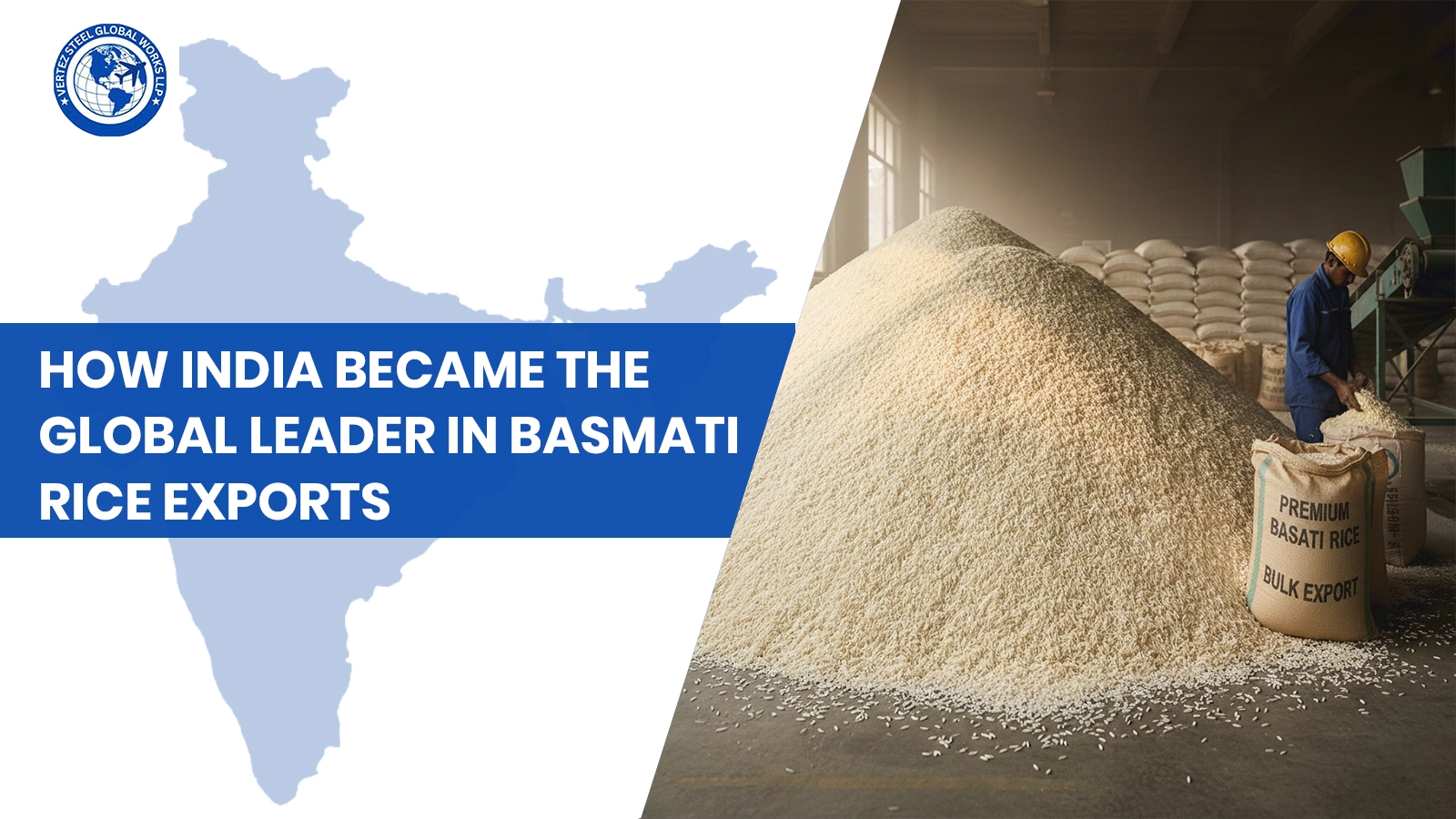
How India Became the Global Leader in Basmati Rice Exports
Basmati rice is not just a product of India. It is part of India’s identity. In homes across the country, Basmati brings families together at the table. Its aroma signals comfort, care, and tradition.
India is proud of its Basmati rice, which is more than just a grain. Its long, slender grains, natural aroma, and delicate texture have captured the hearts of consumers and chefs around the world. According to Eximpedia, India is the largest exporter of Basmati rice, with exports reaching 4.9 million metric tons in 2023, valued at $5.2 billion, reflecting strong global demand and trust in Indian Basmati.
For international rice importers, grocery chains, ethnic food retailers, and HoReCa businesses, India has become the go-to source for premium Basmati rice. Basmati rice exports from India provide consistency, quality, and authenticity, which buyers frequently struggle to find elsewhere.
A Rich History: Basmati Rice Through the Ages
Basmati rice has been part of India’s story for hundreds of years. Its name comes from a Sanskrit word meaning “fragrant,” which perfectly describes its unique aroma. The rice grows best in the fertile plains at the foothills of the Himalayas, giving it long, slender grains and a soft, delicate texture.
Basmati rice was highly prized in Mughal kitchens, where it was used to make rich dishes like biryani, pilafs, and festive meals. The kings and emperors valued its aroma, length, and elegance, making it a symbol of luxury and celebration. Over time, Basmati moved from royal tables to homes, markets, and eventually international trade routes.
Today, this heritage continues to define Indian Basmati. Every grain carries the legacy of centuries of careful farming, culinary tradition, and cultural pride. For buyers, it means a premium, authentic product with a story, one that is trusted and celebrated around the world.
Why Consistency Matters for Buyers
One of the biggest challenges for rice importers and wholesalers is finding export-grade Basmati rice that is consistent across shipments. Many buyers face issues like mixed grains, broken kernels, or varying aroma, which can affect both retail sales and customer satisfaction.
Indian basmati rice suppliers take great care to maintain uniformity. The rice is sorted, graded, and cleaned to remove broken grains or impurities. Many suppliers also use natural aging processes to enhance the texture and aroma of the rice. This means that every shipment meets the same high standards, whether it is destined for a grocery chain, a catering business, or a hotel kitchen.
Consistency not only builds trust but also allows buyers to plan their inventory, menus, and marketing without worrying about quality surprises.
Purity and Origin You Can Trust
Global buyers often worry about purity, grain origin, and authenticity. Inconsistent sourcing can damage brand reputation and lead to complaints from customers. Indian Basmati rice is protected under geographical recognition and strict export standards, which helps buyers feel confident about what they are receiving.
From field to port, Indian exporters monitor every step. They work closely with farmers to ensure the rice is harvested, processed, and packed according to international standards. This level of care helps buyers overcome one of the biggest pain points in the rice trade: doubts about grain quality and origin.
For retailers and HoReCa buyers, this means fewer returns, satisfied customers, and a product that aligns with the premium image they want to maintain.
Transparent Pricing and Cost Clarity
Price fluctuations and unclear cost structures can create frustration for importers and bulk buyers. Without clear information, planning becomes difficult, especially for businesses dealing with private-label brands or high-volume wholesale orders.
Indian Basmati suppliers address this by providing transparent pricing. Costs are broken down based on grain type, packaging, and aging. Buyers can make informed decisions and plan budgets accurately.
This transparency also builds trust for long-term partnerships. Buyers no longer need to worry about unexpected costs or sudden price changes, allowing them to focus on selling and distributing Basmati rice in their markets.
Smooth Export Process and Compliance
Export rules, certifications, and shipping delays can be a major headache for international buyers. Indian exporters understand these challenges and have enhanced their processes to simplify trade.
From food safety certificates to origin documents, Indian suppliers provide clear and accurate paperwork. Rice is packed according to international standards, minimizing risks of customs delays or shipment issues.
This gives HoReCa buyers, distributors, and grocery chains the assurance of on-time delivery while lowering administrative stress. Buyers can plan ahead and prevent supply chain interruptions by knowing that shipments are handled expertly.
Building Long-Term Partnerships
Limited communication and unreliable supply are common concerns in global rice trade. Indian Basmati exporters increasingly focus on long-term relationships with buyers.
Regular shipment updates, honest timelines, and open communication create trust and reduce stress. Buyers can concentrate on growing their business, knowing their rice supply is secure.
Global Demand and India’s Leadership
India’s Basmati rice continues to be highly sought after worldwide. Strong export numbers show global trust in Indian quality. Consistency, purity, and reliable supply have made Indian Basmati a preferred choice for retailers, wholesalers, and HoReCa buyers.
By choosing India as a source, businesses access a product with a proven track record of excellence and global recognition.
Why Indian Basmati Stands Out Globally
India’s leadership in basmati rice exports is a combination of heritage, quality, and modern trade practices. From the fertile fields of northern India to advanced milling and storage systems, every step reflects care and pride.
The result is rice that not only looks and tastes exceptional but also addresses key buyer concerns:
- Consistency: Uniform grains and predictable cooking results
- Purity and Origin: Protected by geographical recognition
- Clear Pricing: Transparent and reliable cost structures
- Export Compliance: Smooth documentation and timely delivery
- Long-Term Reliability: Regular supply and open communication
For international buyers, this makes Indian Basmati rice a dependable choice for retail, wholesale, and HoReCa needs.
Conclusion: India’s Pride & the World’s Favourite
Basmati rice embodies the heart of India, its fields, traditions, and culinary heritage. For buyers around the world, it represents more than just a grain; it is a promise of exceptional aroma, flawless texture, and unmatched quality. With the support of Vertez Steel Global, international buyers gain seamless access to trusted Indian suppliers who prioritize transparency, reliability, and lasting partnerships.
Every shipment delivers not only premium Basmati rice but also the confidence that comes from sourcing a product steeped in care, expertise, and authenticity. By choosing Indian Basmati, businesses are not just importing rice; they are sharing a piece of India’s legacy with the world.
FAQ’s About Indian Basmati Rice Exports
1. What makes Indian Basmati special?
Indian Basmati has long grains, a soft texture, and a unique aroma. It’s perfect for dishes like biryani, pilafs, and premium meals.
2. How can I get consistent quality in shipments?
Trusted suppliers sort, grade, and naturally age the rice. This ensures every shipment has uniform grains and aroma, so you get the same high quality every time.
3. Is Indian Basmati compliant with export rules?
Yes. All shipments come with necessary certificates and meet international standards, making customs and delivery smooth.
4. Can I buy Basmati rice in bulk or for my brand?
Yes. Wholesale options are available in different volumes, grades, and packaging sizes. You can rely on a steady supply all year round.