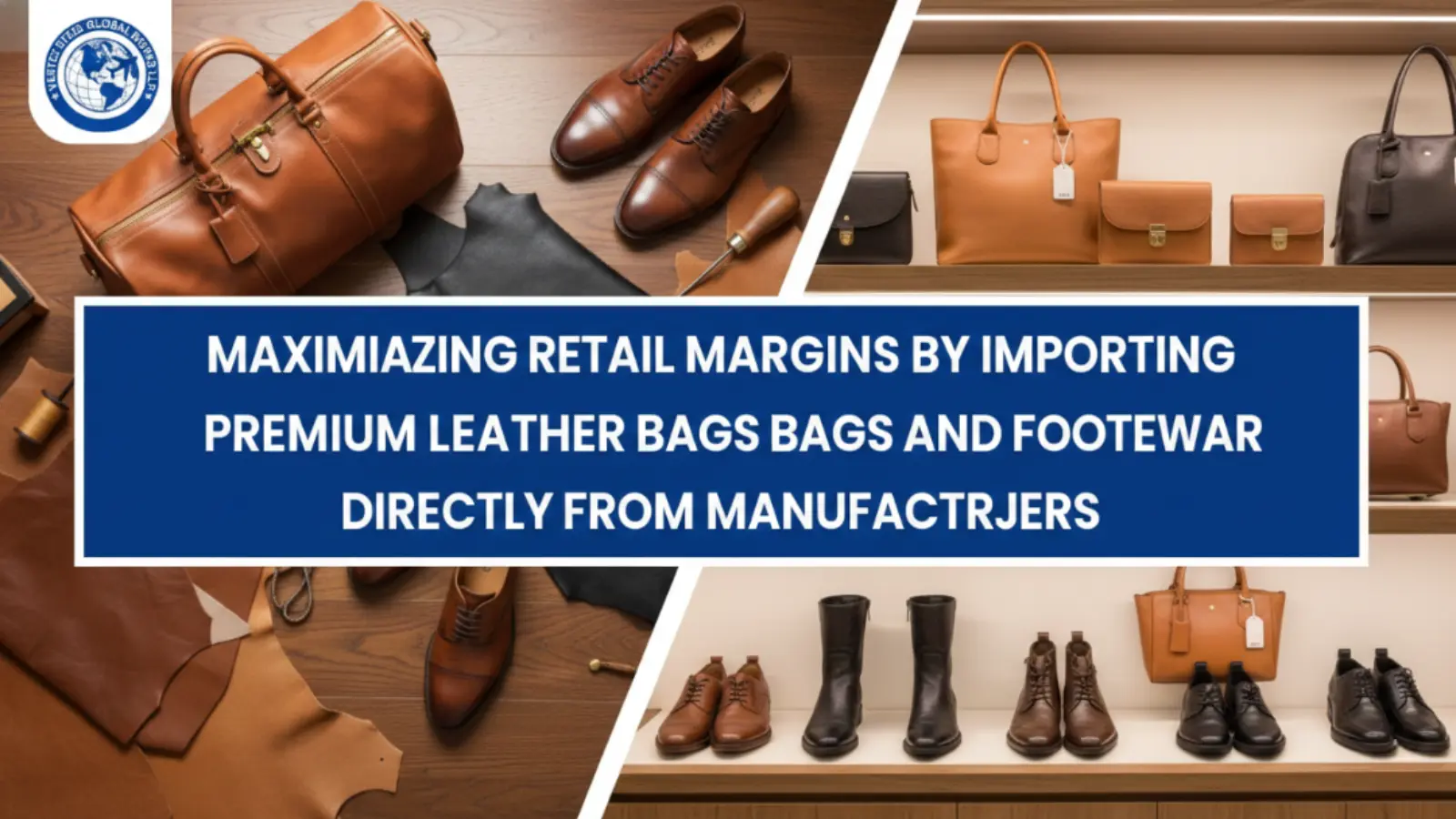
Maximizing Retail Margins by Importing Premium Leather Bags & Footwear Directly from Manufacturers
Introduction: Direct Import Strategy for Premium Leather Goods
A growing fashion retailer in the UK recently faced a familiar challenge. Sales were stable, customer reviews were strong, but profit margins were shrinking. The products were good. The problem was sourcing. Each handbag and pair of shoes passed through multiple intermediaries before reaching the store shelf, and each layer added cost.
In 2026, many retailers across the USA, Europe, and Australia are in the same position. If you want to increase retail profit without raising prices, direct importing is one of the most practical strategies available. More global buyers are now partnering directly with factories offering wholesale leather bags from India to gain better cost control and product consistency.
When you import leather shoes from India or source premium handbags directly from manufacturers, you remove unnecessary middle layers. This improves pricing transparency, strengthens communication, and gives you greater control over quality. The result is stronger margins and long-term retail stability.
This guide explains how direct sourcing from India helps you increase margins, reduce risk, and build a stronger retail brand.
Why Retailers Are Choosing India for Leather Goods
India is one of the world’s leading leather goods manufacturing hubs. It supplies handbags, wallets, travel bags, boots, and formal shoes to global markets.
Working with genuine leather exporters in India gives you access to:
- Competitive factory pricing
- Skilled craftsmanship
- Large production capacity
- Flexible customization
- Private label manufacturing
Unlike trading companies, direct manufacturers manage production, quality control, and export documentation internally. This reduces confusion and improves consistency.
If your goal is higher retail margins, sourcing from wholesale leather bag suppliers in India creates a clear cost advantage over buying from local distributors.
How Direct Importing Improves Your Margins
The biggest financial benefit of direct importing is cost reduction at the source.
Consider this simple scenario.
If you buy a leather handbag locally at $45 and retail it at $90, your gross margin is 50%. If the same quality bag costs $30 directly from an Indian manufacturer, your margin can rise significantly, even after including freight and duties.
When you import leather shoes from India, the savings typically come from:
- Removing distributor markups
- Avoiding agent commissions
- Reducing layered warehouse handling
- Negotiating directly on volume
If you bulk buy Indian leather goods, your unit cost drops further because factories offer better pricing at higher quantities.
Over a full year, even a small 5–10% margin improvement across your product line can create meaningful profit growth.
What Makes Indian Leather Goods Competitive?
Strong Raw Material Base
India has a well-developed leather processing industry. Manufacturers can offer full-grain, top-grain, and corrected leather options depending on your brand positioning.
Reliable genuine leather exporters in India provide consistent access to quality materials, which helps you maintain product standards across seasons.
Skilled Craftsmanship
Indian manufacturing clusters have decades of experience in leather production. Many factories produce for international brands and private labels.
When sourcing wholesale leather bags, you often find:
- Durable stitching
- Strong metal hardware
- Premium lining materials
- Clean finishing
This allows you to offer premium products while protecting your margins.
Customization and Private Label Options
Brand identity matters more than ever in retail.
When you import leather shoes, you can request:
- Custom sizing
- Exclusive color ranges
- Embossed logos
- Custom packaging
Private labeling allows you to build your own brand instead of depending on generic imports.
Managing Import Costs the Smart Way
Importing may seem complex, but it becomes manageable when structured correctly.
When you bulk buy Indian leather goods, you should calculate:
- Production cost
- Freight charges
- Import duties
- Customs clearance fees
- Inland transport
A clear landed cost calculation protects your pricing strategy.
Experienced genuine leather exporters India provide detailed packing lists, invoices, and export documentation that help smooth customs processing in your destination country.
Common Challenges Retailers Face
While the margin opportunity is strong, retailers often face a few concerns.
Communication delays can occur due to time zone differences. Quality may vary if you work with unverified suppliers. Production lead times can feel long if inventory planning is weak. Working with multiple factories for different products increases coordination effort.
Many retailers reduce complexity by partnering with suppliers who handle both wholesale leather bag production in India and footwear manufacturing under one organized export structure. This simplifies supply chain management and improves consistency.
Reducing Risk When Buying in Bulk
Bulk sourcing increases profitability, but it requires careful selection of partners.
Before placing large orders, request product samples. Review stitching, leather texture, hardware durability, and finishing quality. Confirm production timelines and export experience.
When you import leather shoes from India, verify size accuracy, sole quality, and packaging suitability for retail display.
Choose established genuine leather exporters with clear export history and proper documentation practices. Secure payment methods such as letters of credit or milestone payments can also protect working capital.
How Bulk Buying Strengthens Your Brand
Stronger margins give you flexibility.
When you bulk buy Indian leather goods, you gain pricing room to:
- Offer competitive retail prices
- Run seasonal promotions
- Invest in digital marketing
- Improve packaging and in-store display
- Expand product collections
If you consistently import leather shoes from India under private labeling, you build long-term brand value instead of relying on external labels.
Higher margin plus brand ownership creates sustainable growth.
Practical Steps to Start in 2026
If you want to move toward direct importing, take a structured approach.
First, identify your best-selling leather categories. Then compare your current distributor cost with quotes from wholesale leather bags India manufacturers.
Request samples before committing to volume. Calculate total landed cost carefully. Start with moderate orders and scale gradually as confidence builds.
Building long-term relationships with trusted genuine leather exporters India often results in more stable pricing and better production priority.
Why 2026 Is the Right Time
Retail competition continues to increase globally. Customers expect premium quality at fair prices. To meet these expectations without shrinking margins, retailers must rethink sourcing strategies.
Direct factory partnerships offer:
- Better cost control
- Greater transparency
- Improved customization
- Long-term pricing stability
Retailers who regularly bulk buy Indian leather goods often gain stronger negotiation power and predictable cost structures over time.
Conclusion
As we move through 2026, the global retail landscape favors those who control their supply chain. Importing premium leather bags and footwear directly from Indian manufacturers is no longer just a luxury for big-box brands; it is a survival strategy for independent retailers looking to protect their margins.
By cutting out the middleman, you gain more than just a lower unit price—you gain a seat at the table where your products are made. You get to define the quality, the ethics, and the brand identity that your customers demand. Taking control of your sourcing today ensures that your retail business remains resilient against rising costs and shifting market trends.
Vertez Steel Global supports global fashion retailers and boutique owners with verified factory sourcing, quality-assured production, and door-to-door export logistics. If you are ready to stop losing your margins to intermediaries and start building a direct-to-factory legacy, contact us today to view our 2026 leather collections.
FAQs
1. Why should retailers import leather bags directly from India?
Importing directly from Indian manufacturers reduces middlemen costs, improves pricing transparency, and increases retail margins. It also gives you better customization options, private labeling opportunities, and access to skilled craftsmanship, helping you build a stronger and more competitive product range.
2. Is it profitable to import leather shoes from India in bulk?
Yes, bulk importing reduces per-unit costs through factory pricing and volume discounts. When you calculate landed cost correctly, importing leather shoes from India can significantly improve gross margins while maintaining premium product quality for your customers.
3. How can I verify genuine leather exporters in India?
Check company registration, export licenses, production capacity, and client references. Request product samples and review quality consistency. Established exporters usually provide clear documentation, transparent communication, and a proven track record of shipping to international markets.
4. What is the typical lead time for bulk leather orders from India?
Production usually takes 25–40 days depending on order size and customization. Shipping by sea may take 20–35 days depending on destination. Proper planning and early order placement help maintain stable inventory cycles.
5. What risks should retailers consider when importing leather goods?
Common risks include quality variation, delayed shipments, incomplete documentation, and communication gaps. These risks can be reduced by working with experienced manufacturers, starting with sample orders, and using secure payment methods for larger transactions.
6. Can I create a private label brand with Indian manufacturers?
Yes, many Indian leather manufacturers offer private labeling services. You can customize designs, emboss logos, select packaging, and define product specifications. This helps you build brand identity while benefiting from competitive production costs.
7. How do I calculate the total cost of importing leather goods?
Include factory price, freight charges, insurance, customs duties, inland transport, and handling fees. Calculating total landed cost before ordering helps you set accurate retail pricing and maintain strong profit margins without unexpected expenses.